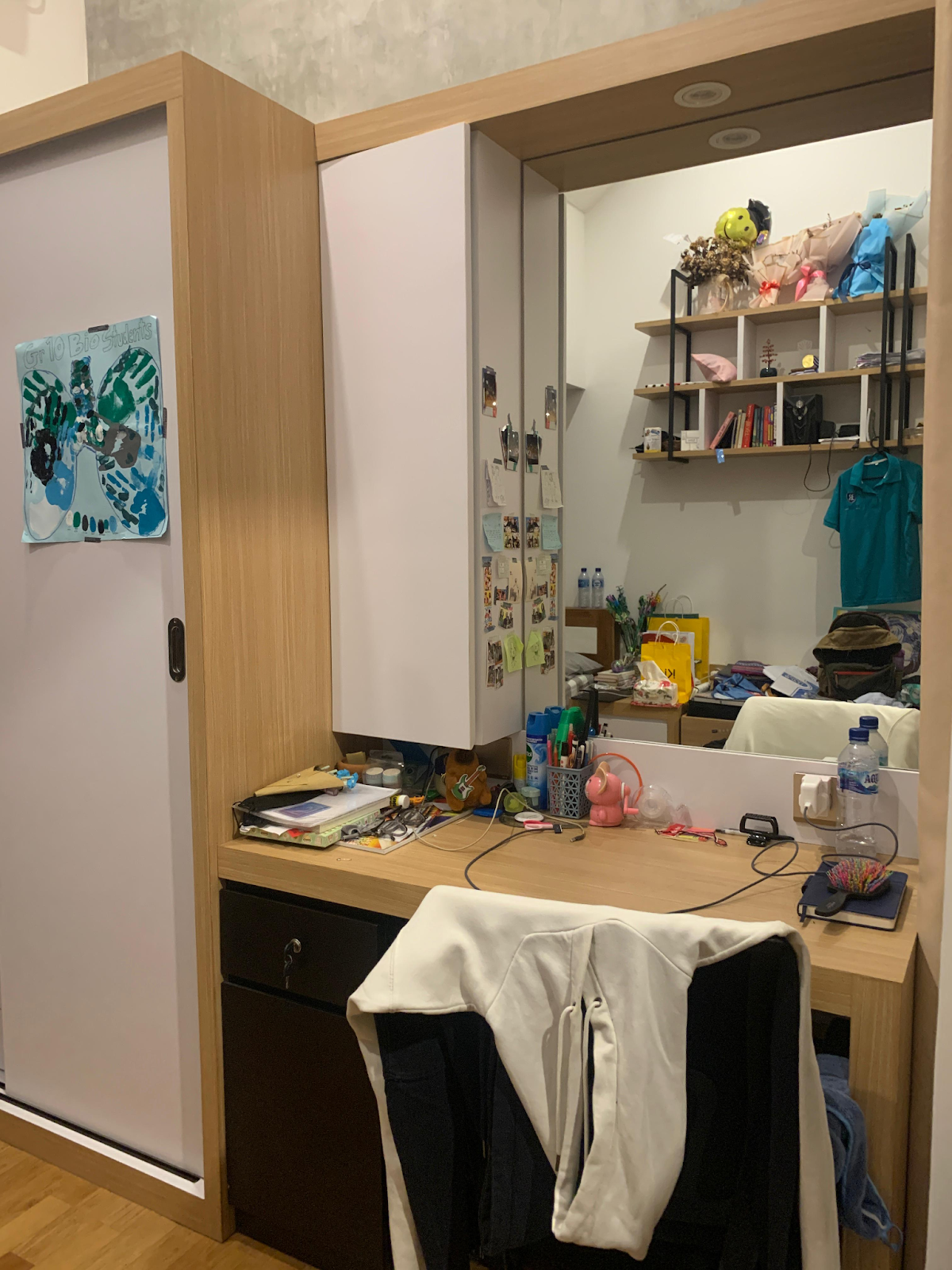
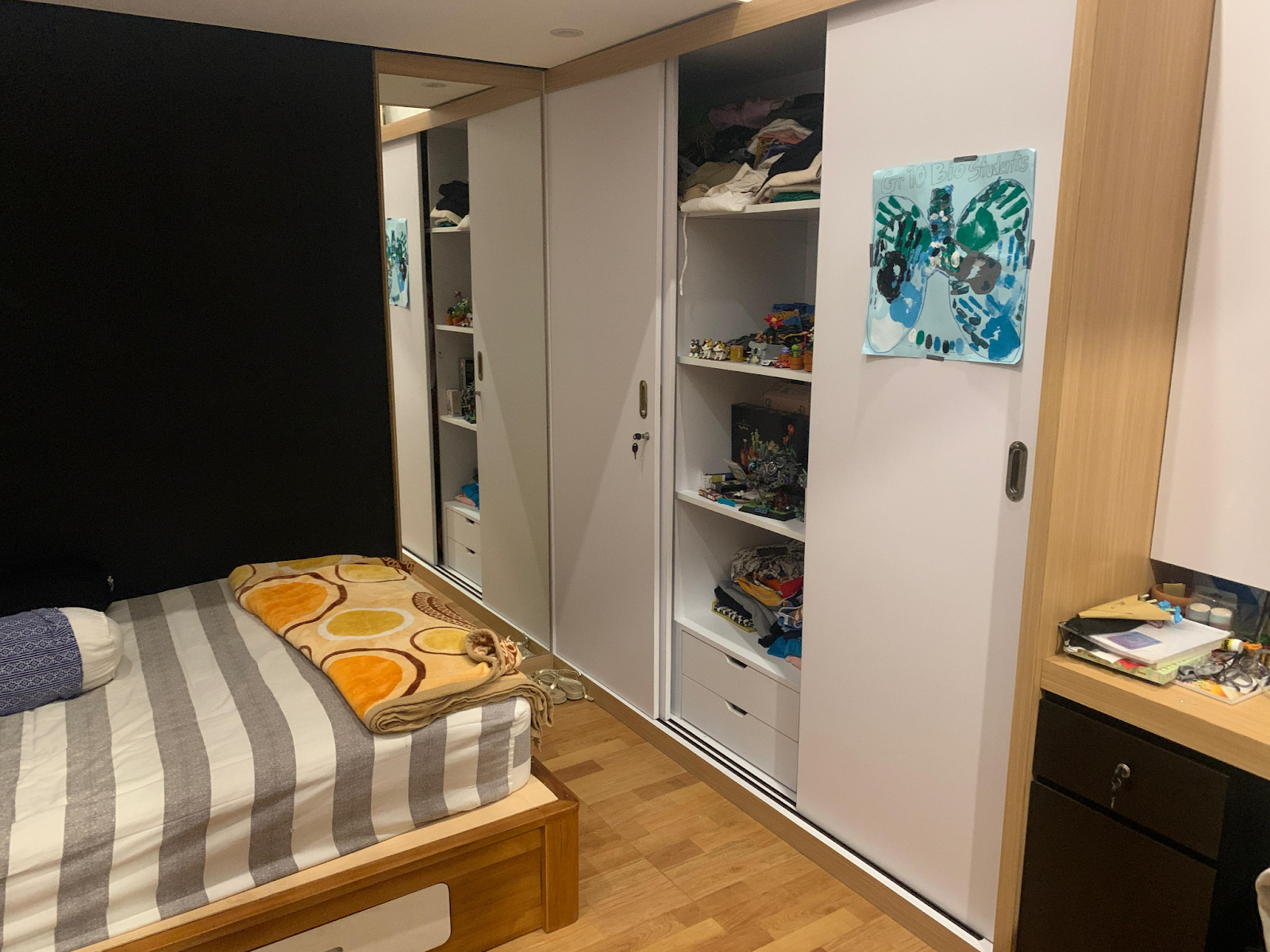
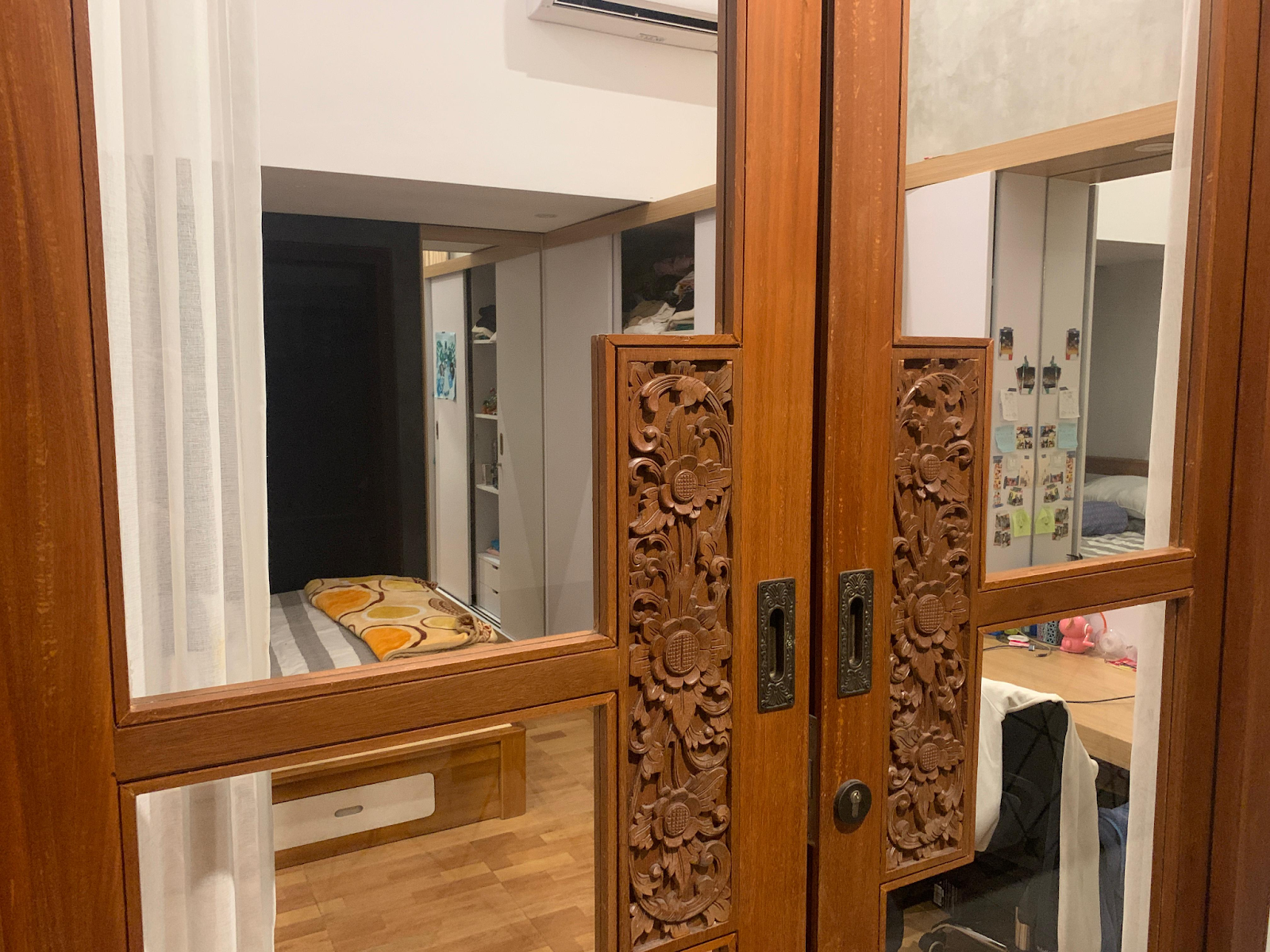
This blog contains my teams location scout and risk assessment which was made by Eileen and Kimora.
Component 1 Location Scout & Risk Assessment
Location 1: Tisha’s House
Images:
Location
Address:
Jl. Belimbing, No.20
Scene:
1 & 2
Advantages of location:
Free
Full control; address the scenes as to what we desire
Can spend as much time
Disadvantages of Location:
Not that accessible (Far from some team members’ houses
Far from some actors’ and actresses’ houses)
Alternatives:
Kim’s House (Gatot Subroto I blok XV)
Risk Assessment
Risk:
Who is at risk:
How to avoid risk:
High, Medium, Low risk:
1. Dogs
Team member, actors
Put / keep the dogs outside, away from the filming location
Low risk
2. Disturbance to Tisha’s family
Tisha’s family
Ask permission and consent to Tisha’s family
Medium risk
3. Property damage
Tisha, Tisha’s family
Remove of avoid any fragile items, to avoid accidental damage
High risk
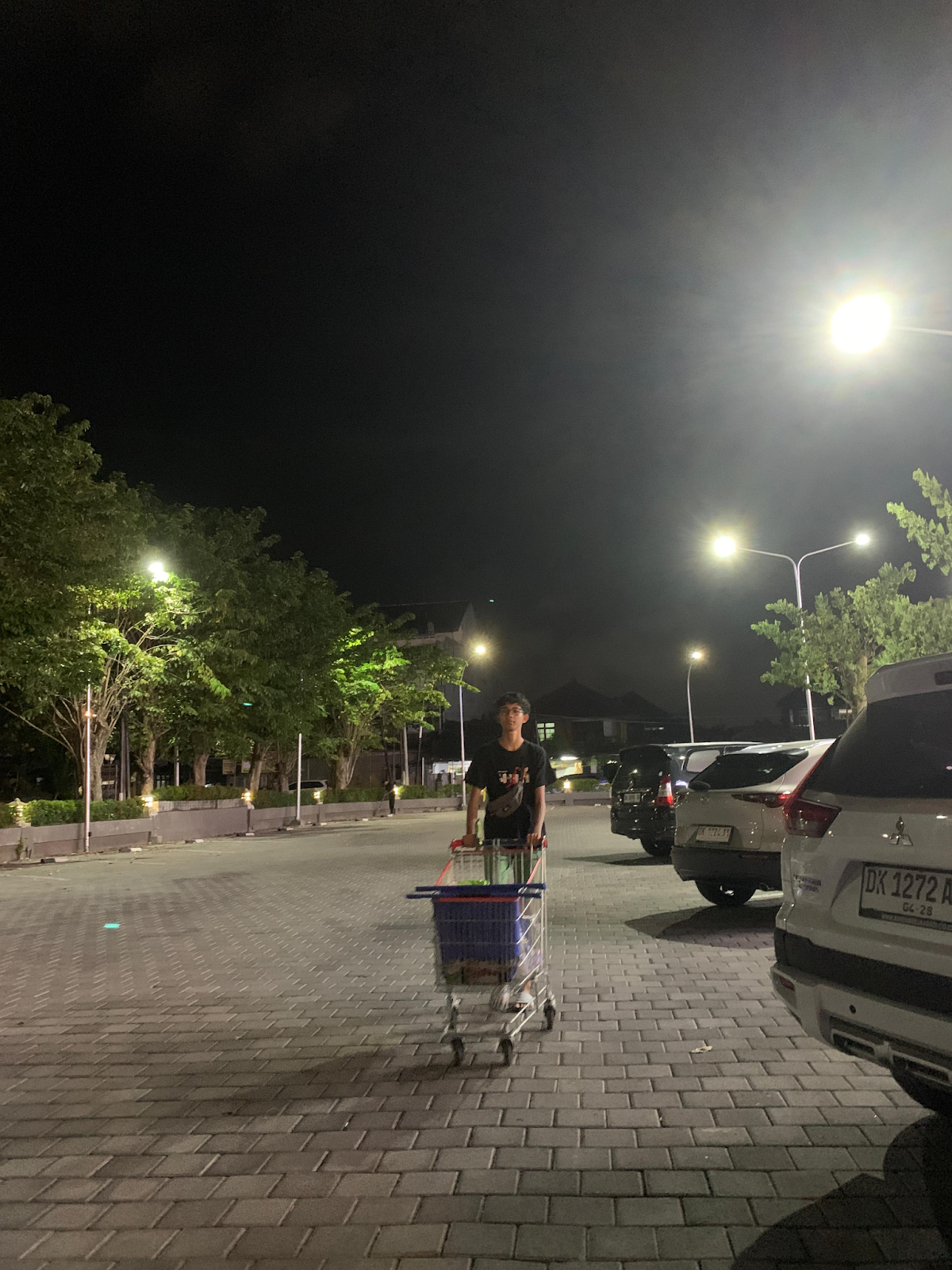
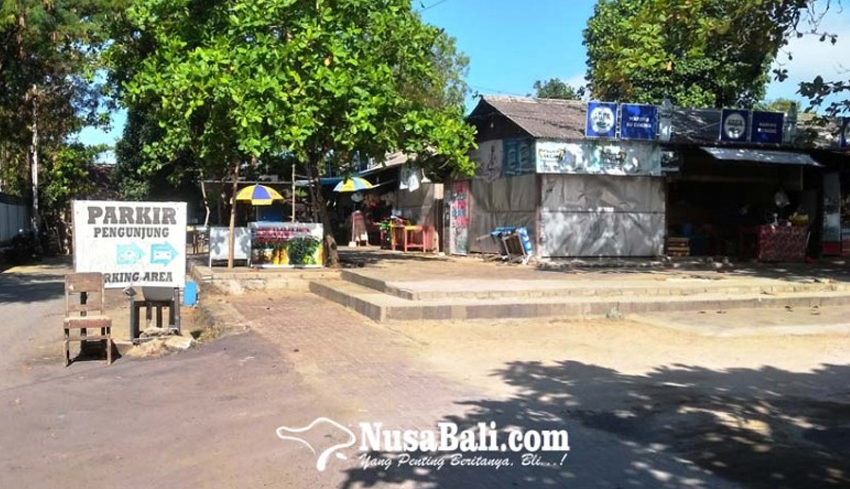
Location 2: Grand Lucky Udayana Parking Lot
Images:
Location
Address:
Jl. Mayjen Sutoyo No.55, Dauh Puri, Kec. Denpasar Bar., Kota Denpasar, Bali 80112
Scene:
The actor getting dragged out of the car
Advantages of location:
Cheap, (only pay for a parking fare)
The place is big -> many areas to film
Disadvantages of Location:
The location may be crowded, therefore there are a lot of cars parked and many people can walk by. This results in us having less chances or opportunities to film, we will spend more time filming because there is a higher chance of redo-ing the takes, maybe because of cars driving by, or loud sounds from the trolleys etc.
Alternatives:
Regents Preschool Parking Lot / Pantai Mertasari Parking Lot
Risk Assessment
Risk:
Who is at risk:
How to avoid risk:
High, Medium, Low risk:
1. Rain (the parking lot is in an outdoor area + it is Bali’s rainy season)
Team members, actors, overall result
Stay in an indoor area to wait for the rain to stop.
Medium risk
2. May get kicked out for filming
Team members, actors, overall result
Ask for consent from the staff or security
Low risk
3. The location being crowded
The overall result
Come to the location at a time where it isn't crowded, example on weekdays
Medium risk
Location 3: Regents Preschool Parking Lot
Images:
Location
Address:
Jl. Waribang, Kesiman Petilan, Kec. Denpasar Tim., Kota Denpasar, Bali 80237
Scene:
The actor getting dragged out of the car
Advantages of location:
Controlled environment
Open / wide space
Disadvantages of Location:
Early closing hours
Crowded
Alternatives:
Grand Lucky Udayana Parking Lot / Pantai Mertasari Parking Lot
Risk Assessment
Risk:
Who is at risk:
How to avoid risk:
High, Medium, Low risk:
1. Property damage
Actors, team members, the school
Use an experienced driver
Low risk
2. Permission issues
Actors, team members
Ask for consent from the school
Medium risk
3. Rain (the parking lot is in an outdoor area + it is Bali’s rainy season)
Team members, actors, overall result
Stay in an indoor area to wait for the rain to stop.
Medium risk
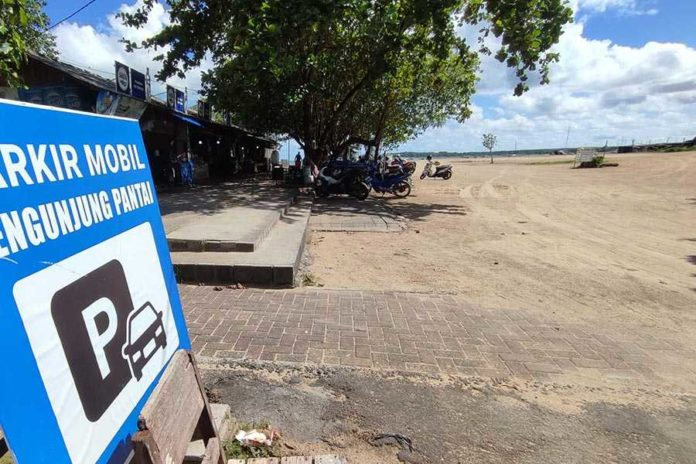
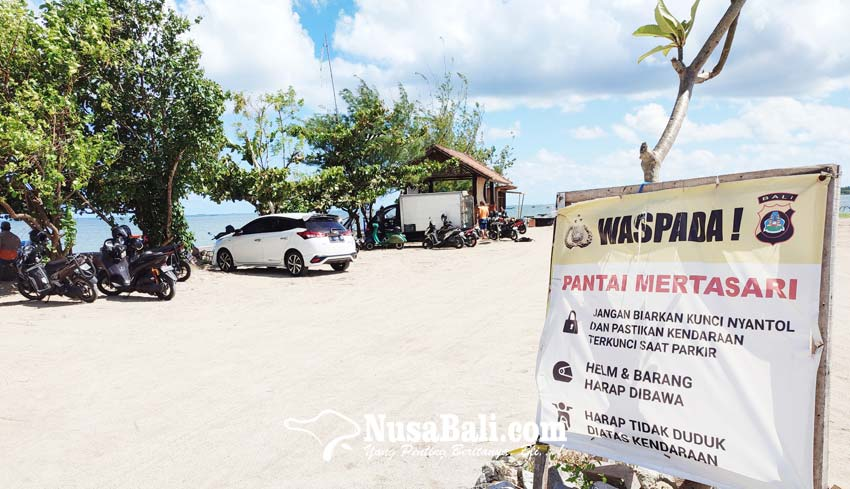
Location 4: Pantai Mertasari Parking Lot
Images:
Location
Address:
Jalan Tirta Empul Sanur, Denpasar, Bali
Scene:
The actor getting dragged out of the car
Advantages of location:
The sand can create a trail when the character gets dragged
Disadvantages of Location:
Crowded
May restrict filming
Alternatives:
Grand Lucky Udayana Parking Lot / Regents Preschool Parking Lot
Risk Assessment
Risk:
Who is at risk:
How to avoid risk:
High, Medium, Low risk:
1. Wind -> can affect sound quality
The overall result, actor
Find a place where the wind can be reduced
High risk
2. Parking availability
Team members, actors, overall result
Find a time where the beach is less crowded, e.g on weekdays
High risk
3. Rain (the parking lot is in an outdoor area + it is Bali’s rainy season)
Team members, actors, overall result
Stay in an indoor area to wait for the rain to stop.
Medium risk
Risk Assessment during shooting:
With our original plan on adding alcohol into the scene, we used alcohol bottle which was empty but to make it realistic we use tea (teh pucuk) as a replacement to fill the bottles up. For the soju bottle, it was empty but it is used just to hold during the scene.
plastic cup filled with tea, one of the bottle filled with tea, while the other bottle had nothing in it.
Soju bottle empty.
Self Reflection: For this part of the project, I did not help much in this but reading this location scout and risk assessment but I gave the idea on the locations. With doing this location scout and risk assessment it helps us to be more realistic with the location as there are some location that we might get kicked out for filming and we have to find an alternative, with this it gives us a backup plan if it doesn't go as plan. At first we were very sure with the first 2 location that we wanted to do, the other 2 locations we weren't sure where to do our scene. Which then I took the initiative to suggest the locations.
In this post it contains a summarize of what we have learned and class activity that we did during class.
[Camera]
We studied about how camera is very important which not only it shows what the author wants to show but it also can creates feeling that audience can interpret during the video. We learn two different type of camera; camera angles and camera movement.
Camera Angles
There are many types of camera angles that we learn and each of the camera angles has its own feeling that is given; such as
Long shot -- It shows the person's entire body in the frame
Extreme long shot -- It tells audience where the scene is being taken place, it also shows whats around the character such as the environment. It can also give a feeling of loneliness and isolation
Medium shot -- It shows the persons gesture and emotion
Cowboy shot -- It shows to audience that the character is more dominance or has more power than the other character
Close up -- It shows the audience to focus on the important detail such as the person's expression
Extreme close up -- It emphasize detail in a person's facial expression or a subject
POV -- It shows the audience being in the characters shoes and can also make the audience to feel what the character's feeling is and their action.
Over the shoulder -- It gives a sense of feeling tot eh audience that they are also involved in the scene
High angle -- It shows how the character is vulnerable or powerless, but it could also show how the person is trying to take something that is very high up.
Low angle -- It creates emotional effect that can be said as intimidating towards the audience
Dutch angle -- It shows an effect that is uneasiness and amusing
Establishing shot -- It shows the audience that a change of location will happen and it shows where the location in the following scene
We also had an activity in class on drawing the different camera angles where each camera angles are assign to each peers. I (Tisha) and Cassie was given the Dutch Angle to draw.
Camera Movement
We learned about camera movement as well, where we learned about:
Fixed: where camera remains static
Pushed in: where camera moves slowly toward the subject – Brings the audience closer
Pull out : when camera moves slowly away from the subject – Detaching from the subject
Pan: when camera movement goes side to side, camera is fixed – it reveals information
Tilt: When the camera goes up and down, camera is fixed
Dolly: When camera moves around freely becomes more immersive, moving inside the subjects world
Tracking: Camera moves around on tracks where it is similar to dolly, but smoother
Crane: Taken by a crane that moves up and down from above – Reveals the size of the setting and landscape
Handheld: Camera is shaky – very natural, immersive, gives off high energy
Zoom: when the camera is zooming towards the subject but in a still position – brings the audience closer to budget and draws our attention to something.
Storyboard * We also learn how to make storyboard, by having storyboard this helps us to guide what may come, we were shown a video in class and we were told to make a storyboard out of it, which me (Tisha) and Cassie made our first storyboard of a video that was given by our teacher during class which this is how it looks like:
[Sound]
We learned about how sound is important in film as well, where not only does angle and movement creates feeling but with sound it adds more feeling and make the audience to be in the mood. We learned about 2 types of sounds:
Diegetic Sound : Diegetic sound is sounds that come naturally from the world to the video, it is also means sounds that the character / actors in the video can also listen. With diegetic sound being added inside the scene / shot of the video this gives info to the audience to know and it also adds realism to the scene where this also allows audience to feel more involved in the video. - For example; footsteps, rustling leaves, radio being played in the scene and many more.
Non-diegetic Sound : Non-diegetic sound is any type of sound that does not specifically exist within the world of the film itself. Or in other word is sound that cannot be heard by the character / actors but can be heard by the audience as it is added into movie during editing. Non-diegetic sound helps in making the mood of the scene and intensifying the mood for the audience. - For example; Narration, voice-over, sound effects and many more.
In diegetic sound it also contains some sub topic such as: - Melodic : Create and enhances positive scene to create positive emotions for the to feel audience - Discordant : Enhance negative scenes which create suspense, tension and anxiety to scene - Contrapuntal : Has an opposite tone to the scene which this adds deeper meaning to the scene that shows an insight into the character’s thoughts.
[Mise-en-scene]
During week 5 we learn about Mise-en-scene where
We were given an activity to do where my teacher gave scenarios to do then we draw it as a group, where Cassie and I (Tisha) did most of the drawing while Kimora and Eileen did the description and notes on the side that is being added into the drawing. This is how our first Mise-en-scene activity go:
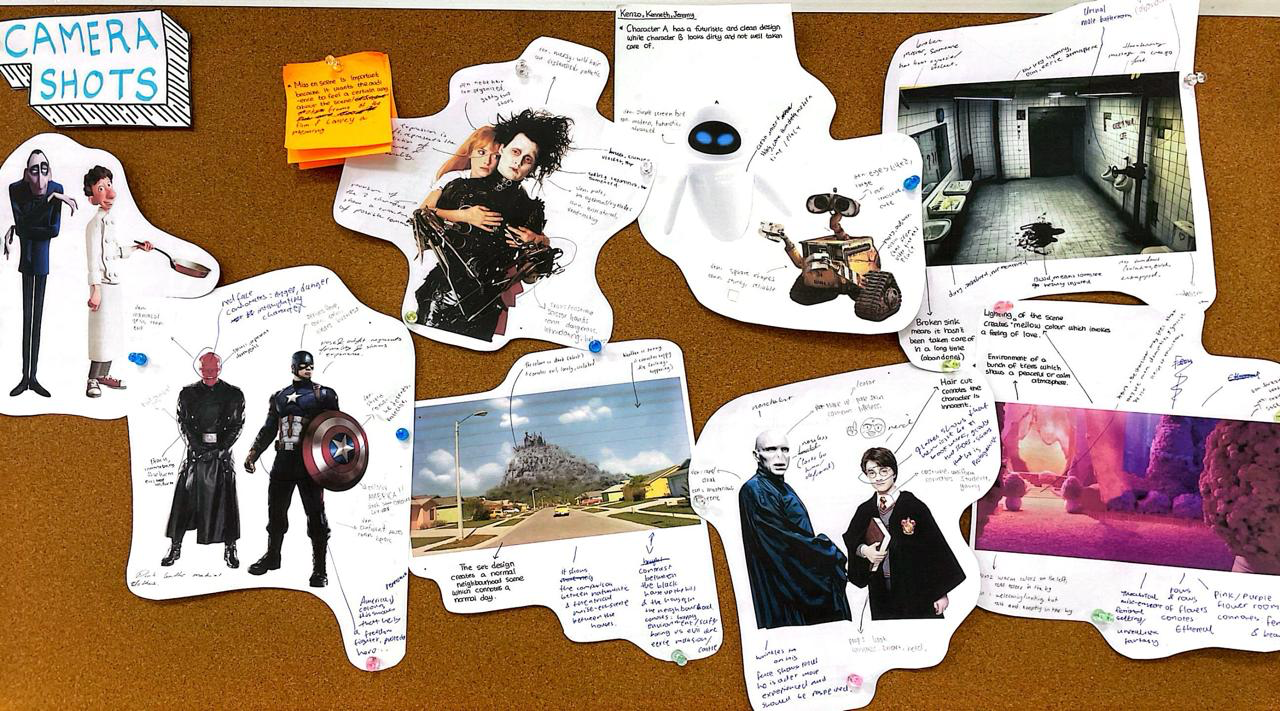
Not only that we were also given another activity where everyone in class were given papers with characters or a scene where we have to label the mise-en-scene and what feeling does it creates, this is how it go:
We also were given a video that we can watch to remember what we have learned and the video also contains additional information from the lesson we just learned.
There are many mise-en-scene categories, such as:
Props
Set design
Costumes
Hair
Make up
Colour
Performance
Lighting
Blocking
Focus
Weather
Environment
[Edit]
We also learned about how edit is one of the main 4 structure that is useful in film. With edit this also
There are different types of cut that is use in edit and my teacher divide the editing cuts in two different group which is Continuity Editing and Non Continuity Editing.
Continuity Editing:
Straight Cut
Eyeline Match
Shot / reverse shot
Cutaway / Insert
Match Cut
Non Continuity Editing:
Cross Cut
Flash Back
Flash Forward
Jump Cut
Match Cut
We also learn how different takes gives affect to the film;
Long take : It makes the scene feel slow, builds suspense, it extends the feeling that the scene is trying to show to the audience and it is more immersive.
Short take / Quick cut : It increase the pace of a scene, giving high energy/excitement that audience can feel, shows more action to the scene and it helps focus on the detail.
we had an activity to make our own timeline edit sort of thing where our teacher gave a scenario for us to do. The activity was done by a group of 3 students, where i did it Cassie and Kimora. This is how it end up with:
Scene: A killer is loose in the house. The victim doesn’t know anything is wrong! (optional: A detective has just learned the identity of the killer)
I also watch several youtube videos that help me with editing that teaches me editing techniques.
Steve Neale - Genre Theory
A text must be SIMILAR enough to be recognised as a particular genre. But it must also be DIFFERENT enough to be new and exciting.
Because:
- It provides the audience with expectations
- It provides the writer/director with a blueprint
- It provides distributors with a target audience
This gives the audience variety to enjoy, also it diversifies the financial risk for the production company.
David Buckingham - Genre Theory
Changes throughout the year happens over time which according to David Buckingham, a genre must be different and the changes are following the societal shifts throughout the year.
Media Consolidation – when big companies buy off smaller companies that gives them the ownership where this is good.
Advantages of media consolidation
Disadvantages of media consolidation
- Able to provide content for niche audiences
- Improved quality due to better funding
- It’s cheaper for the audience
- Converging technologies (eg. We can now get our TV, phone and internet form the same company, making things simpler)
- Diversification - Less risk for the media company. (if something fails, it’s not too much of an issue)
- Can reach a larger audience
- Smaller/Independent media outlets can’t compete with the production quality
- Illusion of choice
- lack of competitiveness and alternate view points. Every TV channel is expressing the same viewpoint.
- The focus is on making money, not good content.
- Less local news
Stuart hall's theory – within a media text, there will often times not be a true representation of events, people, places, or history
Barthes - 5 Narratives Codes
A code is an aspect of a text from which the audience can derive meaning. We can do this through decoding or deconstructing the text. The 5 narrative codes include:
Hermeneutic Codes : The mystery that occurs in a narrative, creating suspense and provoking the audience to seek answers.
Proairetic Codes : The actions and events in the story, which drives the plot forward through a sequence of decisions.
Semantic Codes : Involves the use of signs and symbols to convey meaning.
Symbolic Codes : Involves deeper symbolic meanings in the narratives.
Cultural Codes : relates to the cultural knowledge or context that informs the narrative.
Reflection: During the classwork it helps me to understand the topic more in detail and it helps me to remember about all the things that we learn and do in class. Learning this also helps in giving ideas on the project outcome later for this term. The things we learn in class teach me new vocabulary where I can implement those theories.
This blog contains the screen test that we have done for our movie opening project
This is the first screen test that has ever been done, we did it as a whole class where there were several lines from each group script that were picked to be use for the screen test. Each member of the team were told to read 1-2 lines in front of the class from the list of lines that have been picked out. From everyone in the class screen test, this shows how different people do the part in acting. Some were confident with the lines that they were doing and some weren't confident with acting in front of the camera and being watched by the whole class.
We did another screen test, which this time we find people who we think would be good to act in our video. As throughout the video, there were some people who weren't taking it seriously and laughed during the shot which it felt like they weren't the right people to become the character in the movie.
Self Reflection: Having this screenplay help a lot in my project, as it turns out finding an actor doesn't only rely on how good they look and whether they will fit the part but as well with how they are able to act the line and actually making it looks believable. This is my first time experiencing in doing a screen test, where I learned that finding the perfect actor / person to act in the movie opening is hard. It would be either they would not be able to act the part or they don't want to participate in being the actor.
This post contains the screenplay for my movie opening, this screenplay was made by Tisha and Eileen while Kimora and Cassie help in giving ideas.
Self Reflection: This was my first time in making a screenplay and a script, this was an interesting experience as I was able to put all my imagination of the ideas that we wanted to do from here. With this screenplay as well it gives me a rough idea on how these scenes will be shown. Elaborating the ideas that I wanted to do in detail to put in the screenplay was a bit hard as I don't understand how to explain it to which with the help of my team they help me with words to explain my ideas into the screenplay.
This blog contains the storyboard of our movie opening, the final storyboard was drawn by Cassie.
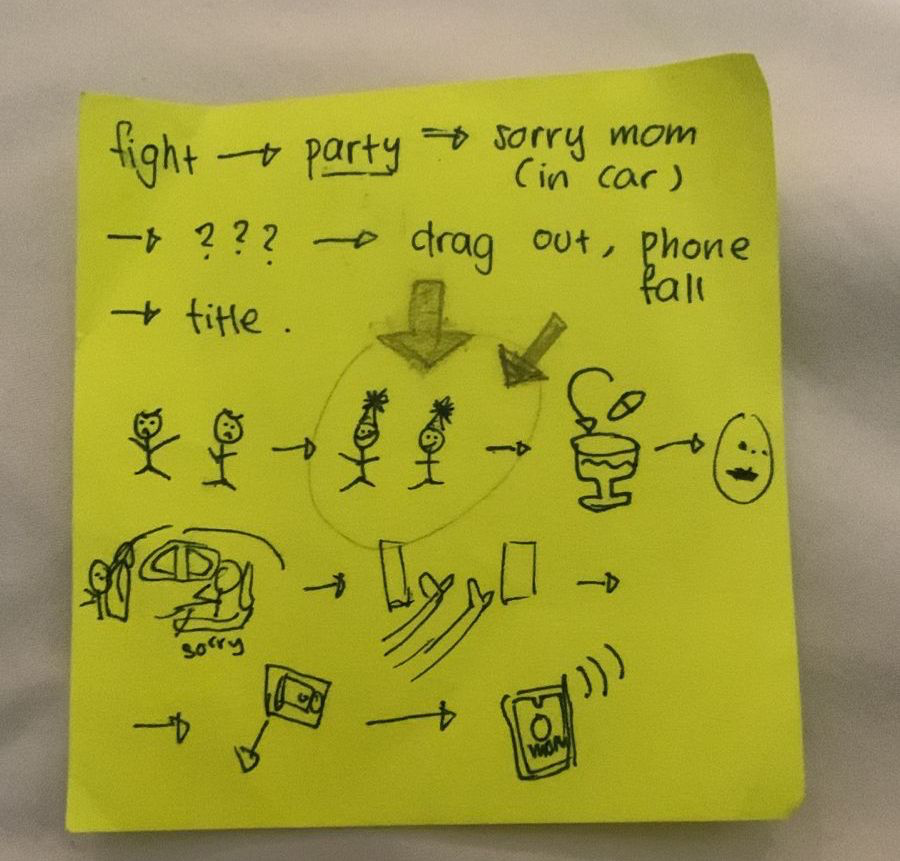
Before our final storyboard, we have 2 drafts of storyboard.
1st draft - Sticky Note
we made this storyboard as a sketch during class time, where this help us talk about our ideas and combine together everything.
2nd Draft - Paper
This storyboard is a sketch that we did in under 15 minutes during class time, where we tried to copy from our first storyboard but made it more detail. There was writing in the back which this affect the quality of the storyboard.
For our final storyboard, we were given a specific paper to draw that already has the boxes and the words shot, duration, camera and edit that makes it easier to label the scenes.
Final Storyboard
Self reflection: This storyboard I believe is way better than what we did last time, as we were given a paper that that already has the boxes and the number shot and edit which made it much easier for Cassie to draw and it is more easier to understand. There was no writing as well at the back of the page which this helps in making a more clearer and visible outcome of the storyboard. We had 2 storyboard drafts, one which was on a sticky note and one other which we did under 15 minutes. This storyboard was not with anyone in our team member which we weren't able to put it into our blog. Update: Cassie found the storyboard and we were able to put it into our blog to show a difference between the draft and the final storyboard. As we can see the final storyboard is more detail but overall it had the same idea and nothing change in how the each scenes was going to be shown like.